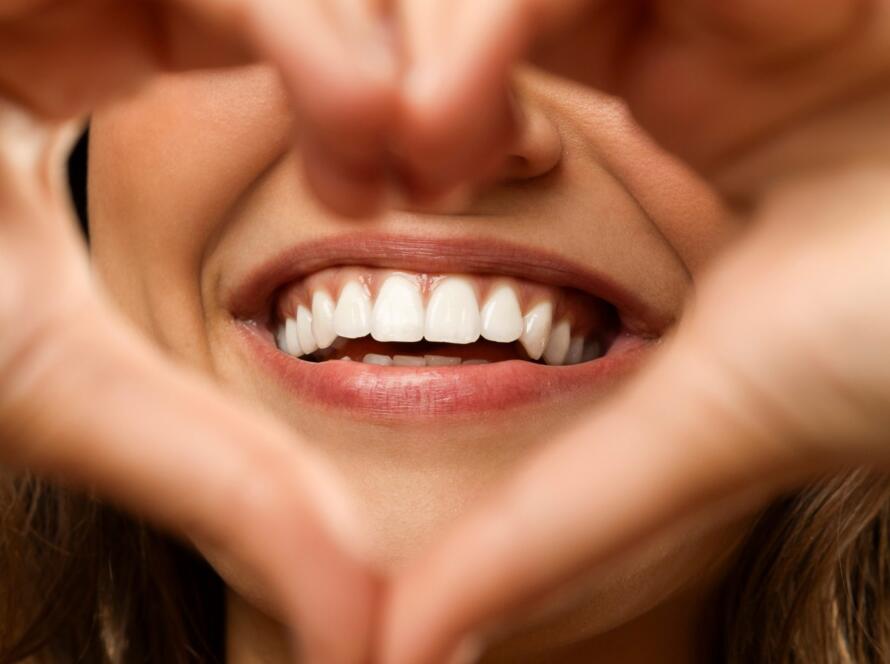
A study published in 2015 found that more than 80% of people believe there is something they dislike about their teeth. It also showed that around 30% of people avoid showing their teeth when smiling in social media photos because they are unhappy with the way their teeth look. This means a large number of people feel dissatisfied with their smiles.
In some cases, orthodontic treatment can correct problems such as overbite or underbite and improve the smile. However, many people simply want whiter, brighter, or more symmetrical teeth. In such cases, veneers are often an excellent option. But what exactly are veneers?
What Are Veneers?
Unlike dental crowns, veneers are thin porcelain shells placed on the front surface of the teeth to improve the overall appearance of the smile.
One of the advantages of veneers is that the treatment can usually be completed in two appointments within approximately one week. Each veneer is custom-designed individually to match the patient’s smile, tooth shape, and facial features.
Once the treatment is completed, the result looks natural and aesthetically harmonious. For people who feel uncomfortable with the appearance of their smile in photographs, veneers can significantly improve confidence and overall dental aesthetics.
Veneers Explained with a Simple Analogy
The American Academy of Cosmetic Dentistry describes veneers with a simple analogy: renovating the exterior of a house.
Over time, the exterior siding of a house can become worn, damaged, or aged, making the home look less attractive. Instead of demolishing and rebuilding the entire house, replacing the exterior siding improves the overall appearance and curb appeal.
Veneers work in a similar way for teeth. The natural teeth remain strong and intact, while veneers cover the front surface, giving the smile a fresh, bright, and aesthetically pleasing appearance.
What Problems Can Veneers Fix?
Veneers are an effective cosmetic solution for many aesthetic dental concerns, including:
-
Chipped or cracked teeth
-
Gaps between teeth
-
Discoloration or stains
-
Uneven tooth length
-
Irregular tooth shapes
For example:
-
If your teeth appear too short, veneers can lengthen them.
-
If you are unhappy with spaces between your teeth, veneers can close those gaps.
Because of this versatility, veneers can address many cosmetic smile concerns at the same time.
Is the Procedure Painful?
Veneers are considered a cosmetic dental treatment and are generally minimally invasive and nearly painless.
In most cases, a small amount of enamel is gently reshaped to allow the veneer to fit naturally on the tooth surface.
For suitable candidates, No-Prep Veneers may also be an option. These veneers can be placed without any enamel reduction, depending on the patient’s natural tooth structure.
How Does the Veneer Process Begin?
The first step is a consultation with a cosmetic dentist.
During this appointment:
-
You will discuss what you like and dislike about your smile.
-
The dentist will evaluate your teeth, bite, and facial harmony.
-
Based on this assessment, the dentist will recommend a personalized treatment plan.
Patients often seek this consultation because they want to improve the appearance of their smile when they look in the mirror or in photos.
At the end of the consultation, you will also receive an estimated cost for the treatment.
If you are satisfied with the treatment plan, the next step is to schedule your appointment and set the date for your new smile.
Frequently Asked Questions About Veneers
How Long Do Veneers Last?
Like natural teeth, veneers are not indestructible. However, they are very durable.
With proper care, veneers can typically last 10 to 20 years.
Maintaining good oral hygiene—such as regular brushing, flossing, and dental check-ups—helps extend their lifespan. Proper care also helps protect both the veneers and natural teeth from acid erosion and unnecessary wear.
Does Dental Insurance Cover Veneers?
Most dental insurance plans cover treatments that are considered medically necessary, such as:
-
Filling a decayed tooth
-
Repairing damage caused by an accident
Because veneers are generally considered a cosmetic procedure, many insurance plans do not cover them.
However, in certain situations where the treatment has a functional or medical indication, partial coverage may be possible. It is best to consult your dental clinic’s insurance coordinator to review the options available under your specific plan.
How Much Do Veneers Cost?
The cost of veneers varies depending on the complexity of the case, the number of veneers required, and the materials used.
For this reason, an accurate price can only be determined after a clinical examination and treatment planning by the dentist.